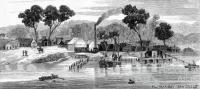
Noosa’s lake and river system featured prominently in the early history of the region. The surrounding forests were a source of valued timber, which was shipped to Tewantin by rafting, towing behind paddlewheel steamers or as deck cargo loaded at the Elanda Point sawmill wharf. Commercial scale fishing and oyster farming were run by local indigenous people on Lake Cootharaba, farming and grazing were attempted nearby, with varying success, by immigrant settlers.
The river connection to Tewantin attracted settlement as well as industry, the lakes with their deceptive shallows were navigable, sometimes barely so, by the flat-bottomed cargo vessels called droghers, while deeper-draft vessels could often make it through by working with the tides. Larger ships moved freight and people through Tewantin to Brisbane and beyond, or delivered southern hopefuls who made the overland connection from there to the Gympie goldfields. Logs from the headwaters were milled at Dath Henderson Bartholemew’s Tewantin sawmill, mostly for shipping out to Brisbane.
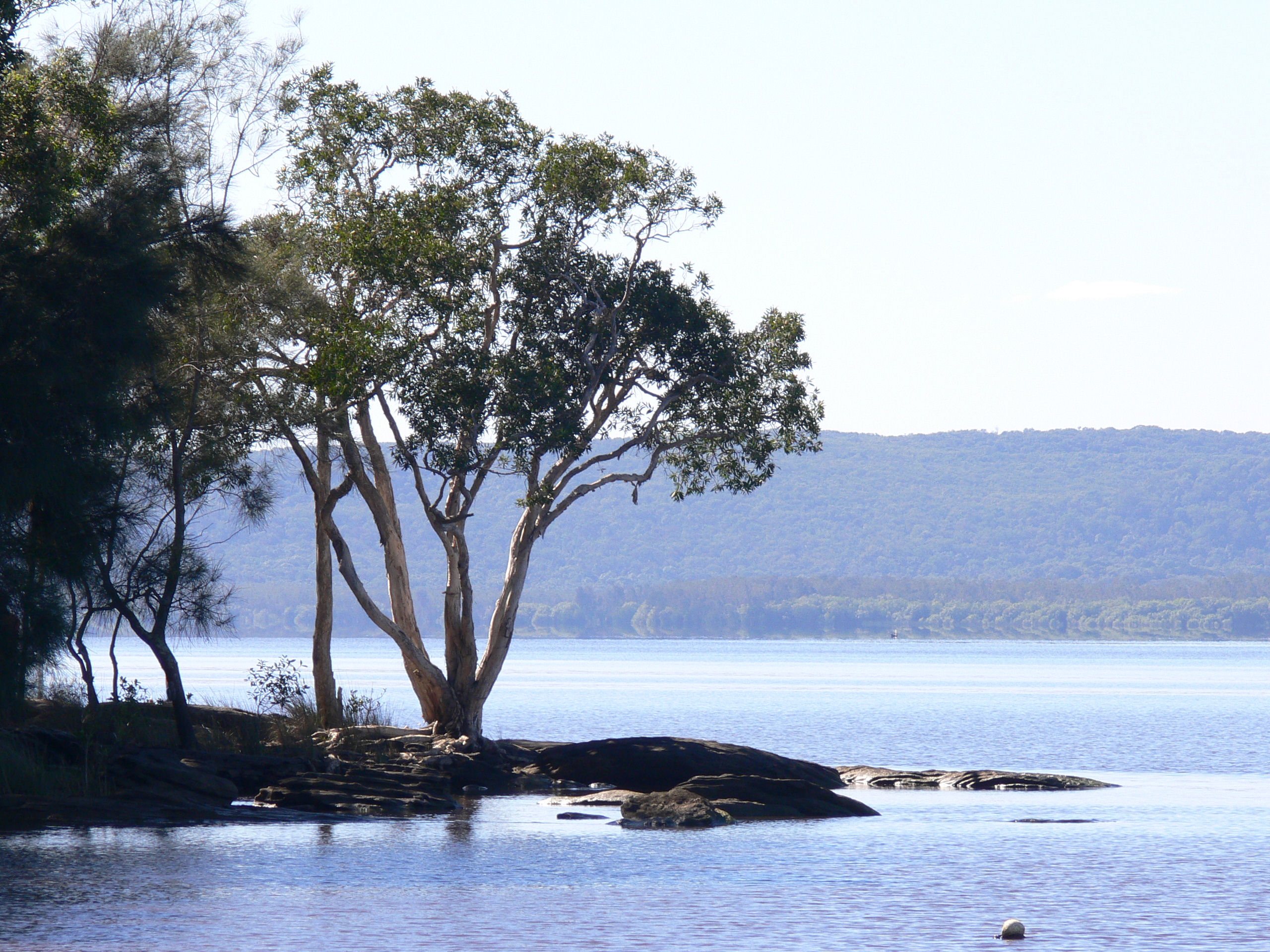
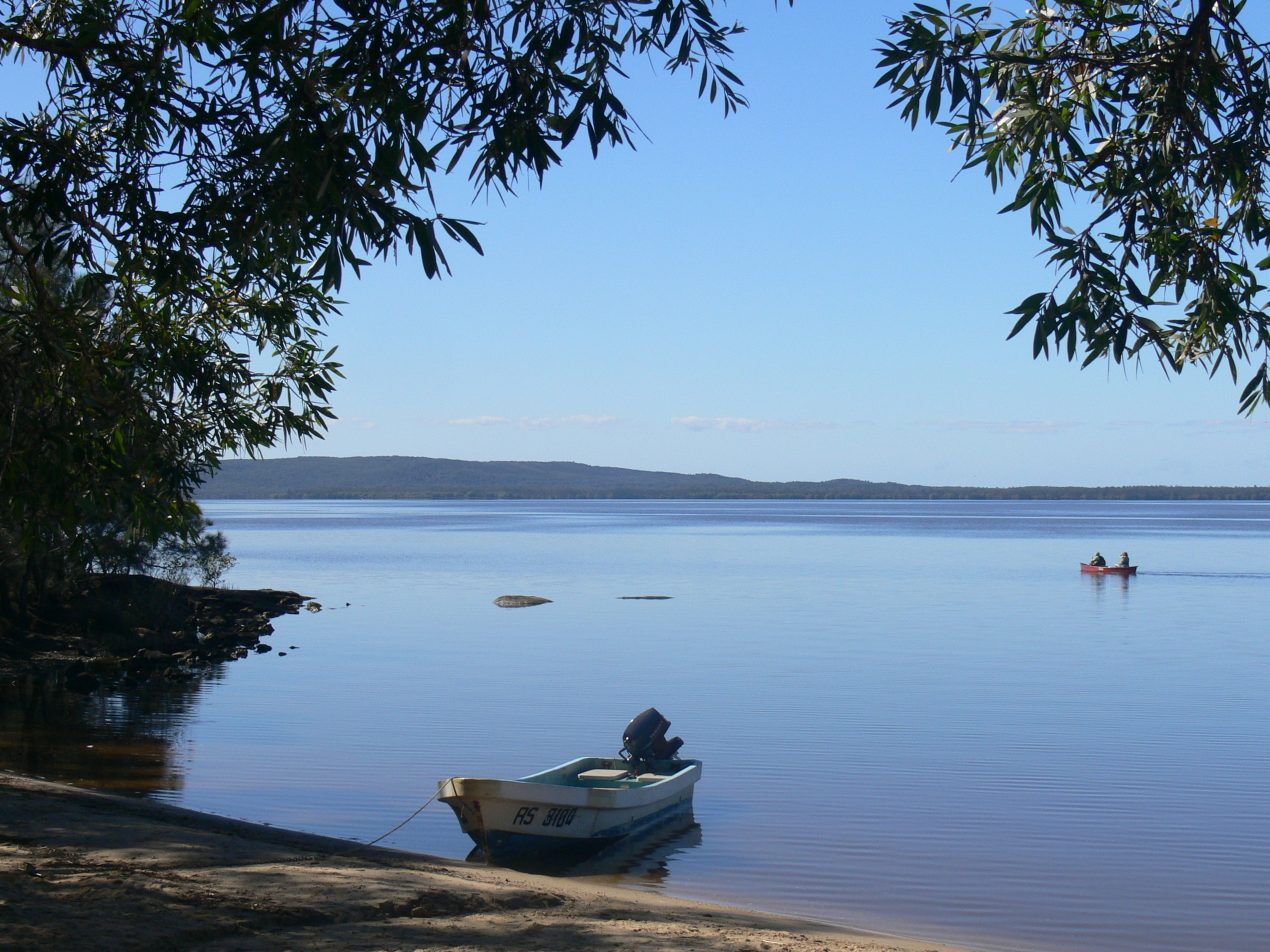
Over the years, low-key tourism began, attracted by the calm lake waters and the region’s natural beauty. Today, with most of the reliant industries having ceased or transitioned to road and rail transport, Lake Cootharaba has been turned over to recreation and Boreen Point has become a residential hub, tranquil for much of the time, bustling on weekends and holidays as yachties, campers and picknickers converge. The headwater region known as the Everglades and the dramatic Cooloola Sandpatch attract day visitors, and on the coastal fringe is the isolated Teewah township, accessed by beach driving.
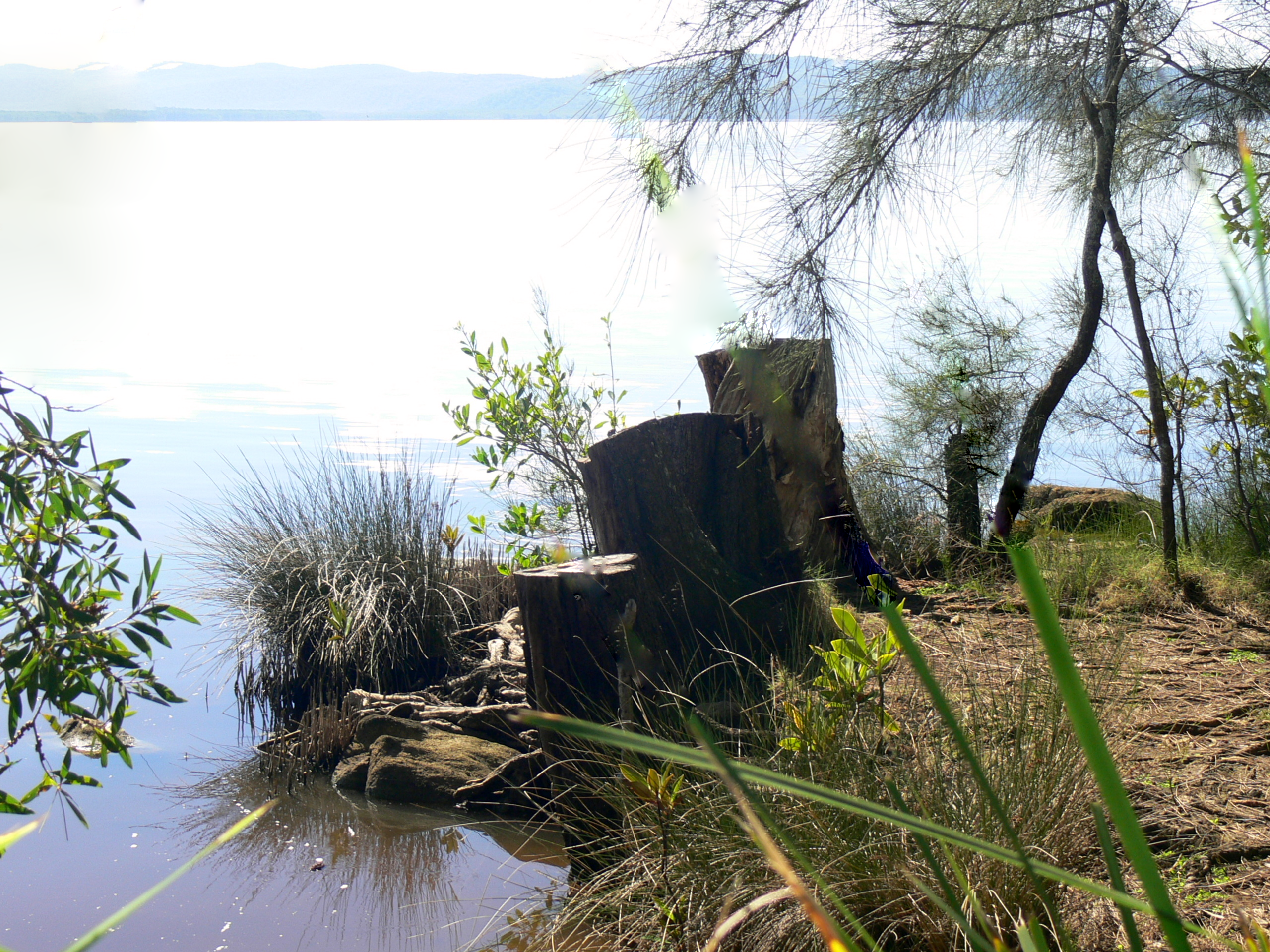
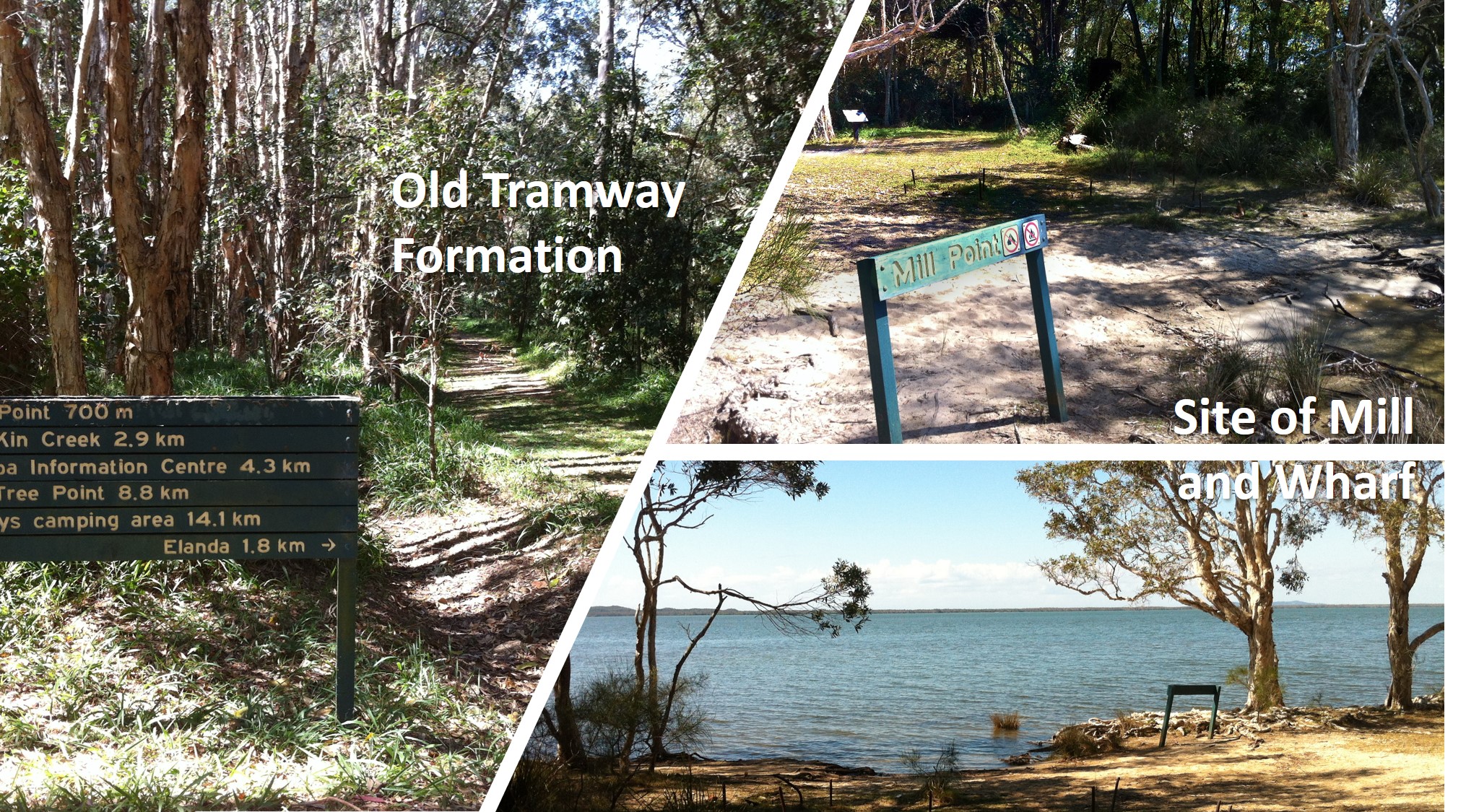
Mill Point / Elanda Point, the names often appear interchangeable in historical references, but today they are distinct locations. The self-identified everglades ecocamp, Habitat Noosa, was until recent times known as “Elanda Point Education Centre & Adventure Park”. The nearby Mill Point, once the site of Elanda Point sawmill, is a twenty minute walk away. The location has been deserted for over a century, now visited mainly by hikers. Sparse remnants of the old mill and township remain, a cottage chimney beside the tramway formation, the shell of a boiler and bits of machinery lying about the mill site, remnants of the mill wharf you would miss were they not pointed out by signage. The place has a haunted feel.
Book references:
The Forgiving Spirit
Part 1: The ‘Reverend’
Part 2: Rosalind Honeysett
Part 3: Ashley Forsayth
Part 4: The Chapel of the Forgiving Spirit
Go to…
← Previous
Next →
Galleries
Home



 Google Street View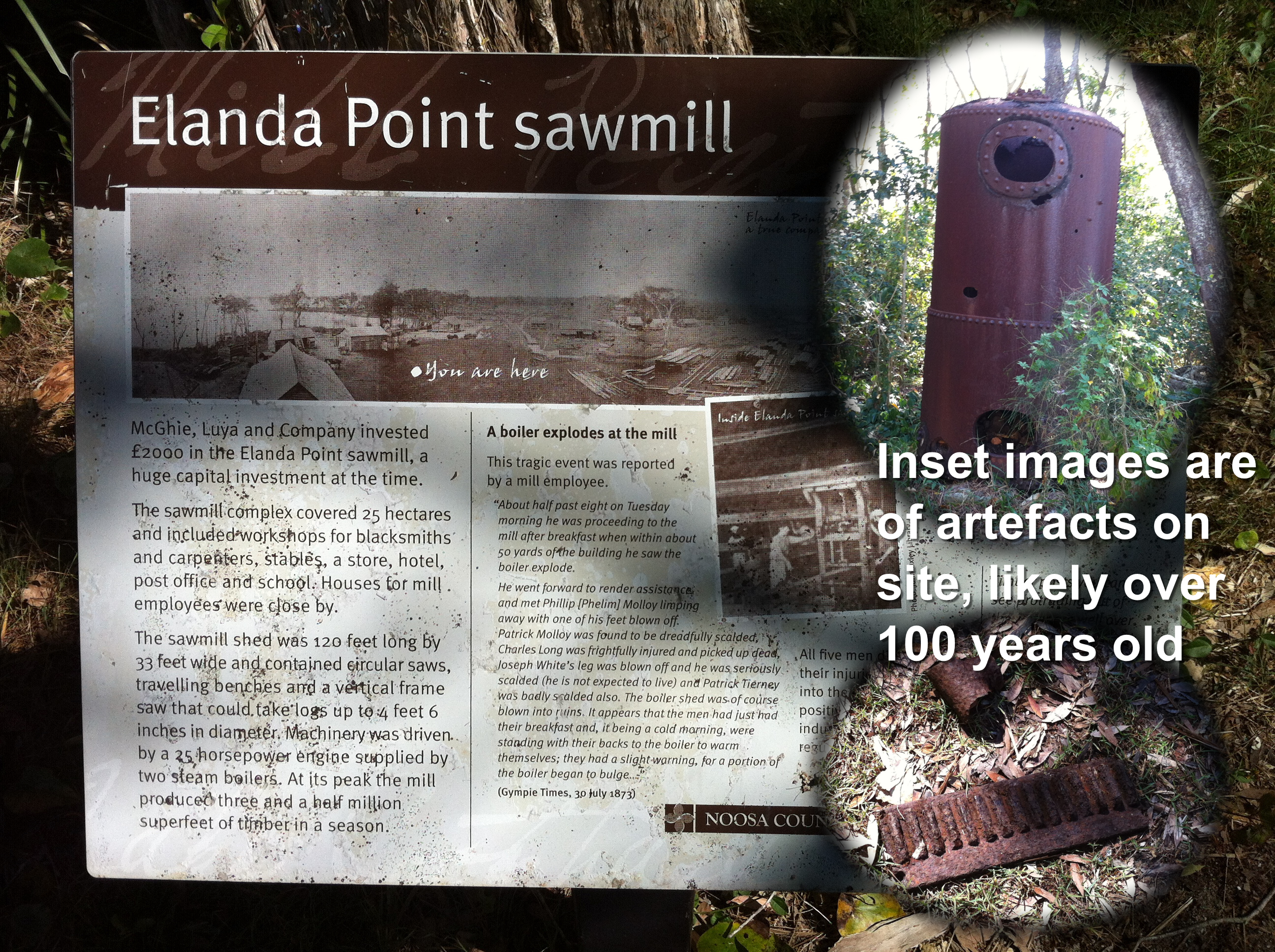

 stuartmackenzieauthor.com