As capital of a colony that had existed for a little over thirty years, Brisbane in the 1890’s reflected optimism for a future without limits.
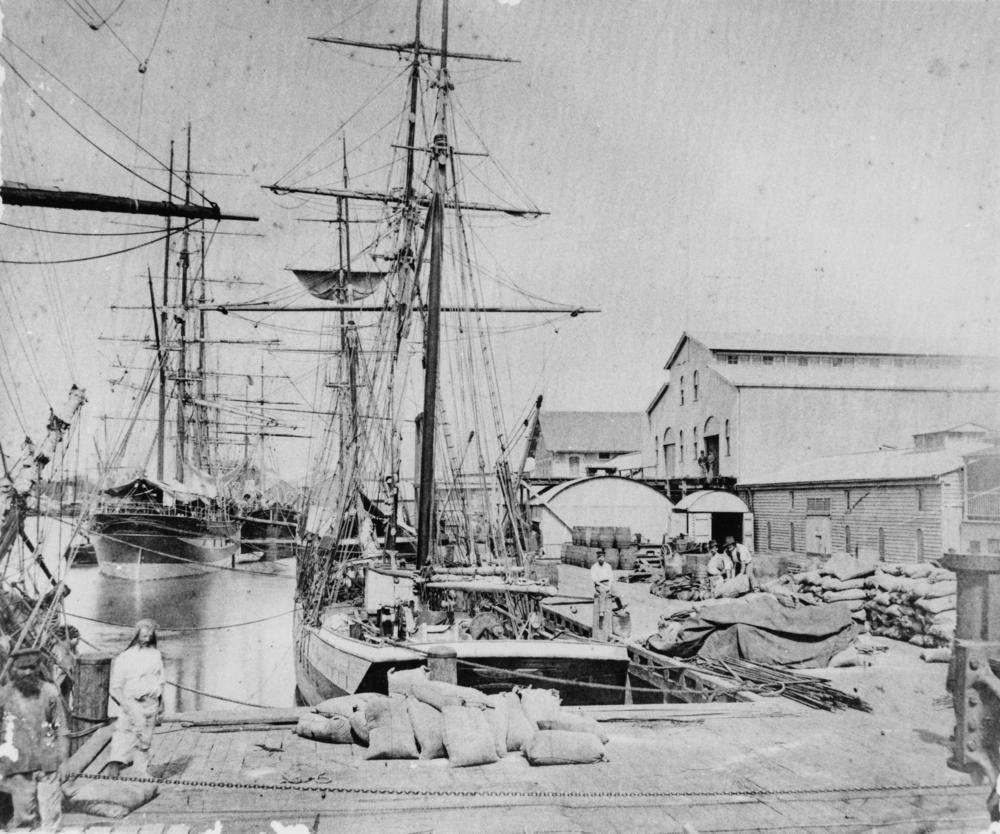
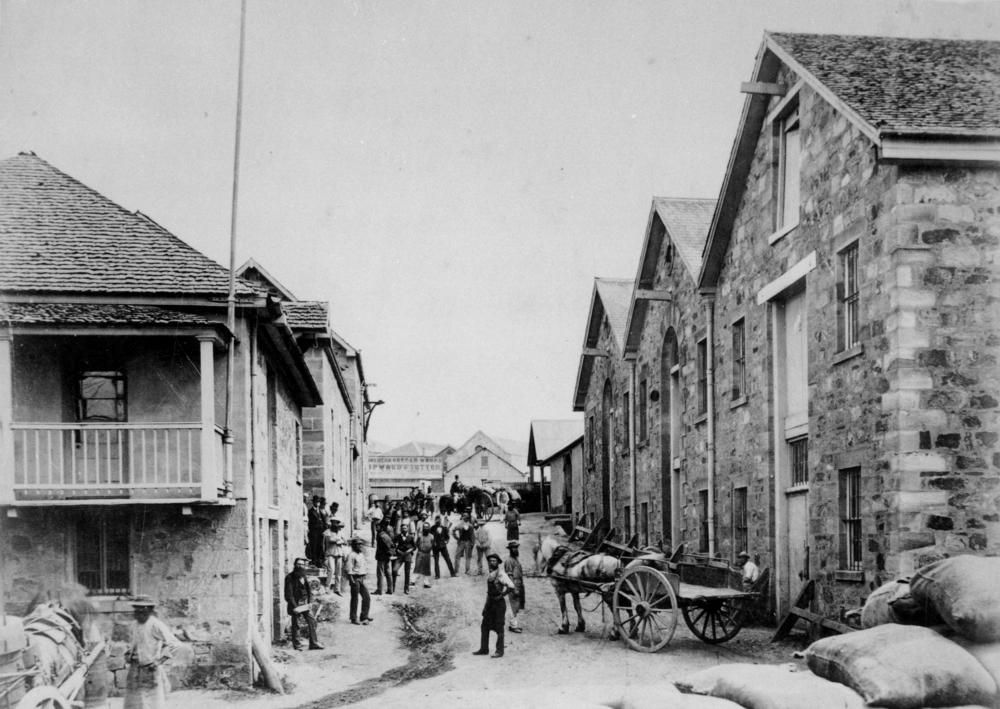
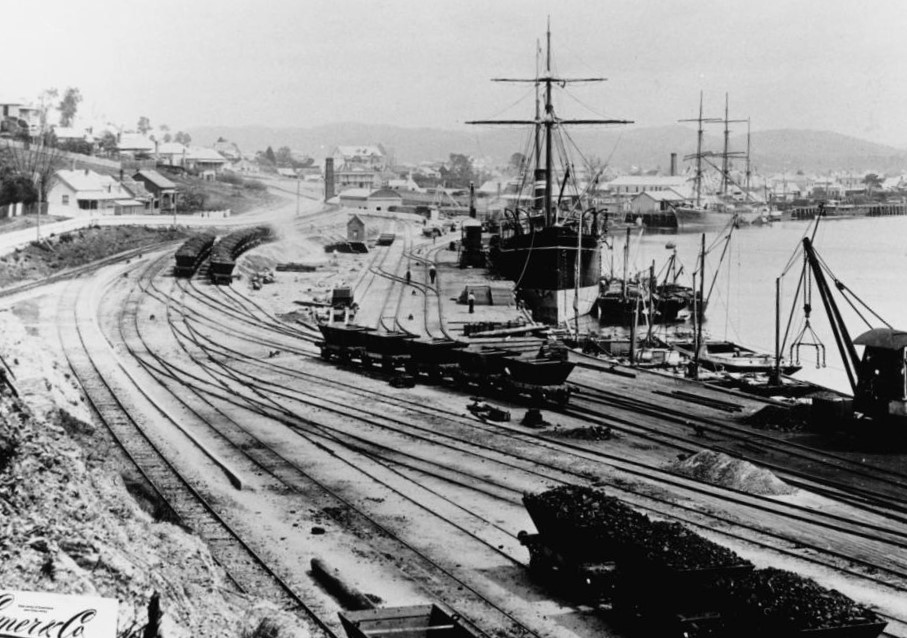
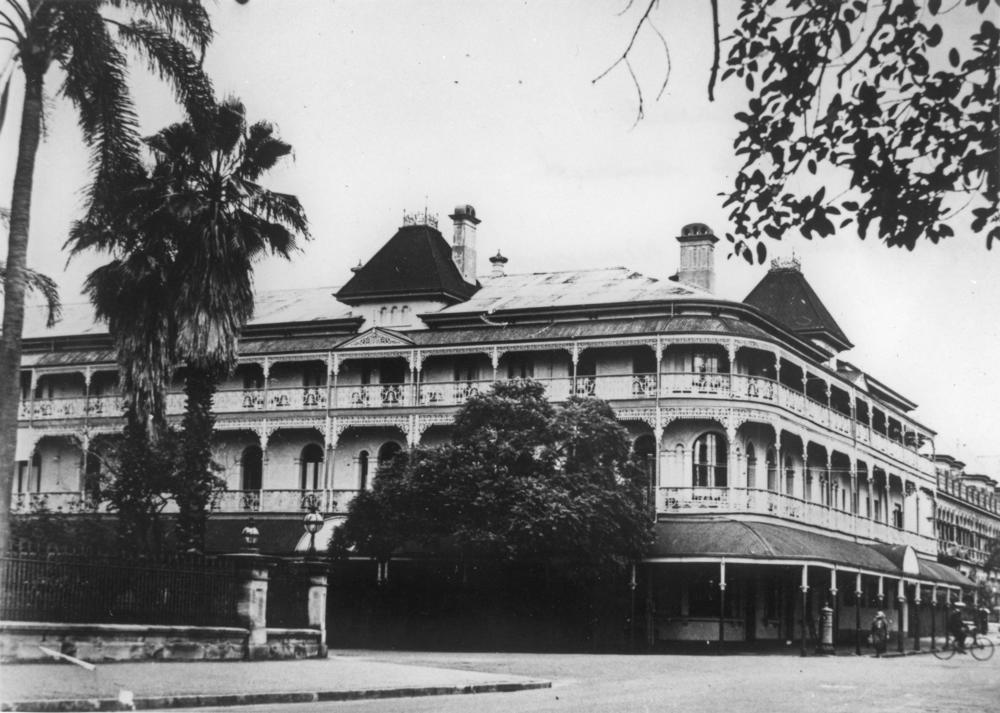
In a rapid growth spurt, the city had transitioned from a ramshackle riverside port to a vibrant capital city with its own stock exchange, colonial-style parliament house and classical revival government house, grand hotels and colonnaded business headquarters fronting major streets, docklands studded with warehouses and factories, extensive parks and recreation facilities including an impressive racecourse.
All this was complemented by unrealised plans for two cathedrals, St John’s Anglican and St Stephen’s Roman Catholic. Neither had proceeded beyond faltering beginnings, tempered perhaps by the twin impacts of economic depression and devastating floods, or perhaps as a reflection of the colony’s priorities.
A tentative but fast growing network of electric lighting, reticulated gas and water, telephones, and electric tramways*, all had happened in a rush, concurrent with a busy schedule of railway extensions and infills linking Brisbane further afield with each passing year. Daily newspapers served the city, morning (The Brisbane Courier) and evening (The Telegraph).
Follow the links for more historical detail.
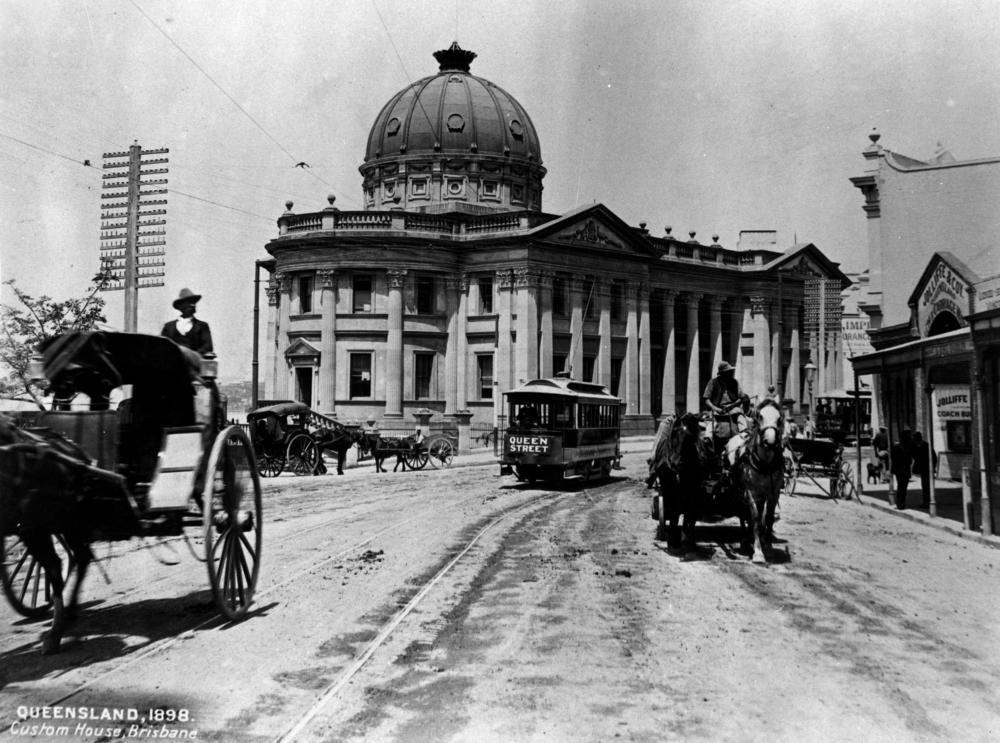
*Re trams: definitive dates for the rollout of Brisbane’s electric tramways are elusive, but note the 1898 photo of the Queen Street tram passing Customs House – please pardon the usage of author’s license in setting Ashley’s electric tram incident in 1894.
Book References
The Forgiving Spirit
Part 2: Rosalind Honeysett
Part 3: Ashley Forsayth
Part 4: The Chapel of the Forgiving Spirit
Go to…
← Previous
Galleries
Home
 stuartmackenzieauthor.com