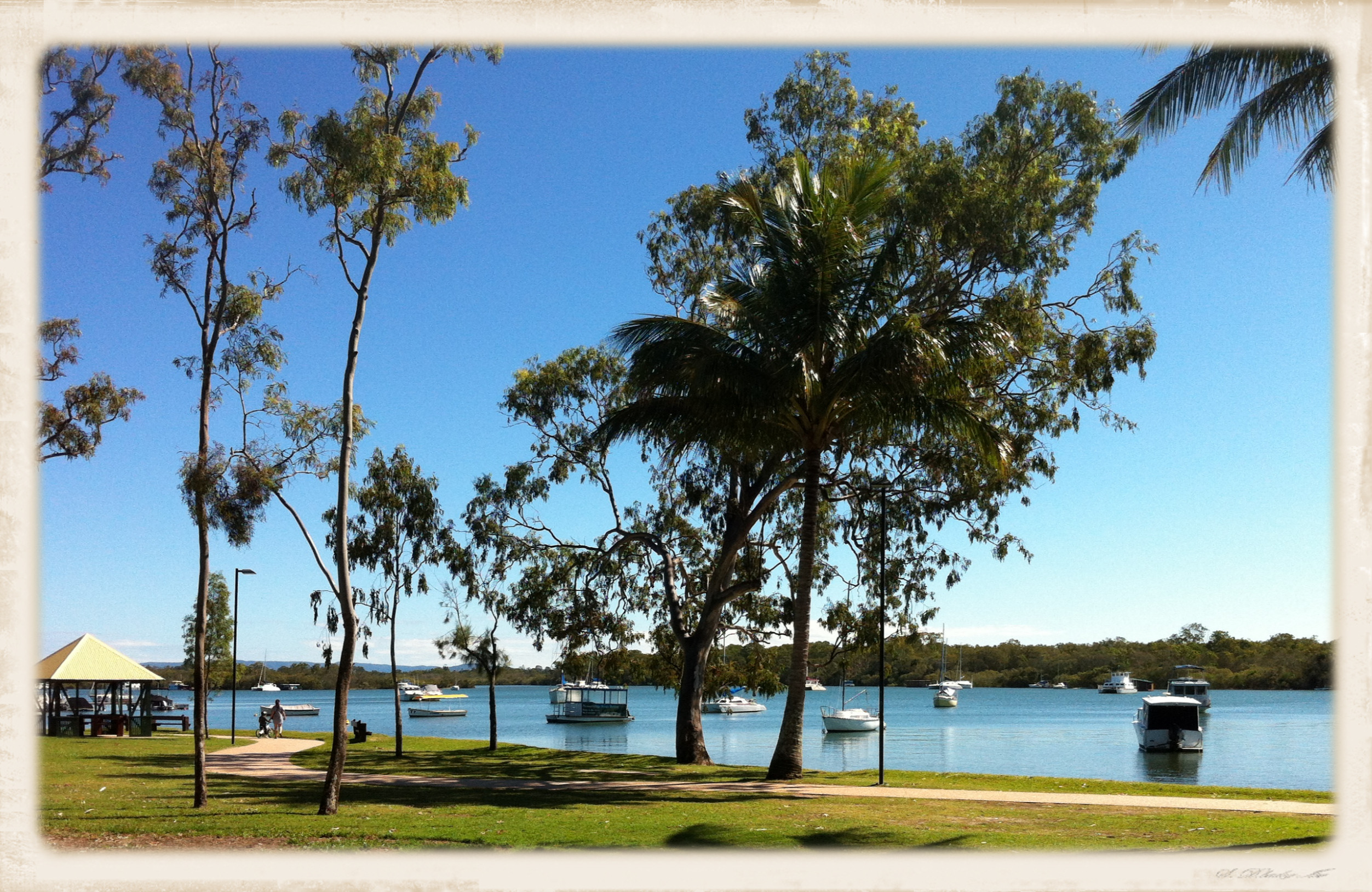
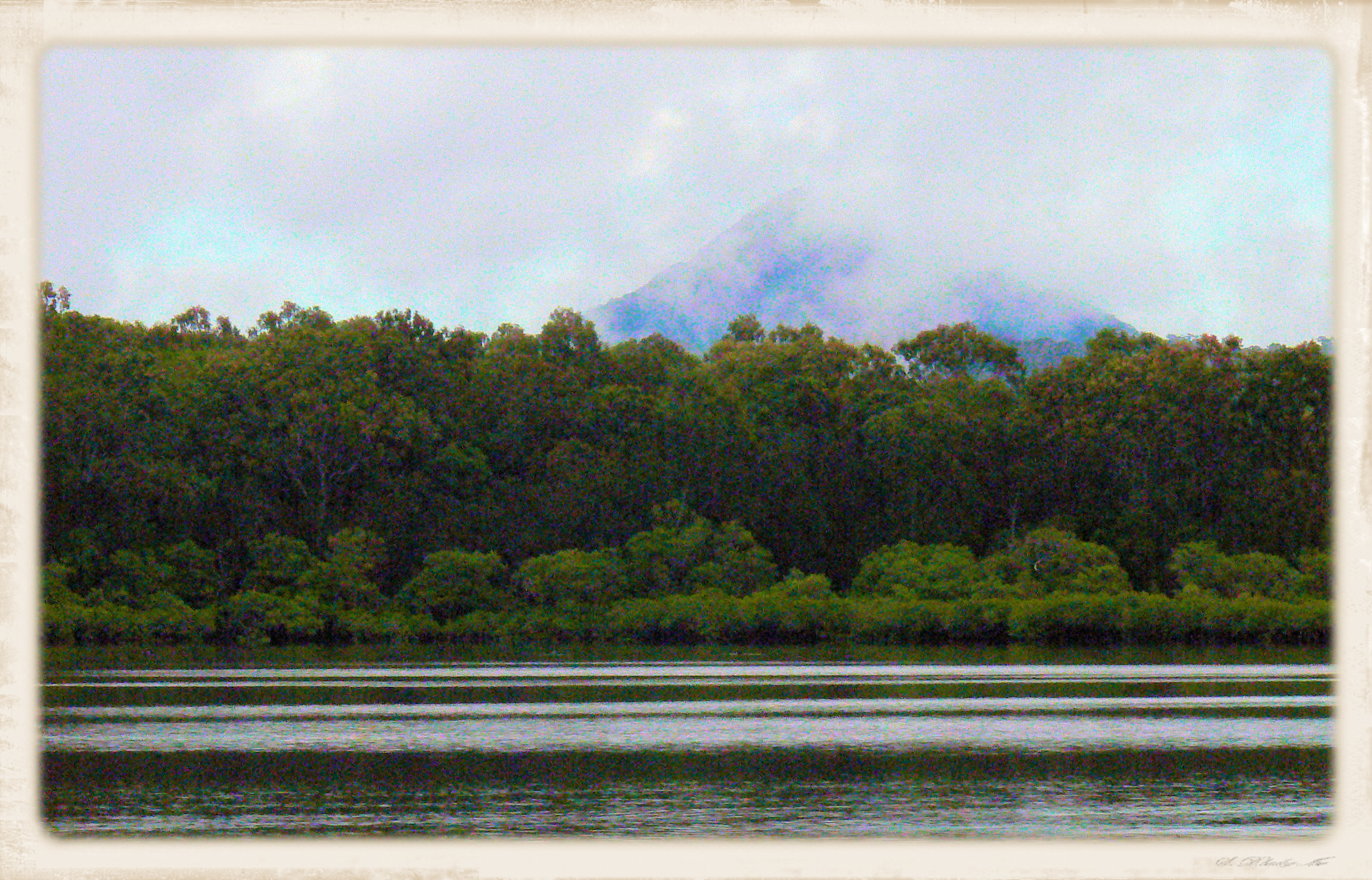
It's easy to feel a spiritual connection to place when you live near the Noosa River. Life here is best epitomised by the gentle autumn days, a gradual transition to the winter with its clear, windy days and surprisingly crisp nights; spring tends to be rather more abrupt, rushing us unprepared into humid summers that are prone to alternating flood and drought.
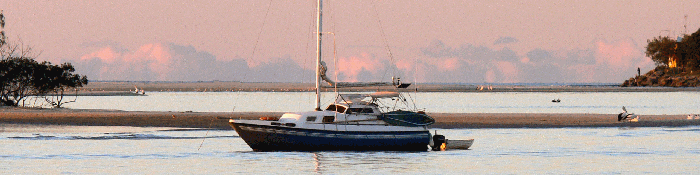
The river was a roadway to the hinterland long before there were roads, an artery to the network of upstream lakes and tea-tree studded headwaters known a little unimaginatively as 'The Everglades'.
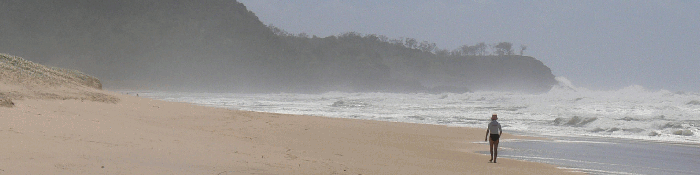
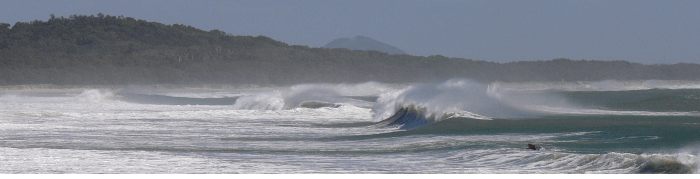
A dramatic entry statement to all this is the shallow, surf-pounded river bar - a reliable source of action for the Coast Guard* - with the looming backdrop of the National Park's cliffs, coves and rugged headland - the Noosa 'Heads' - and a sweep of beautiful beaches north and south.
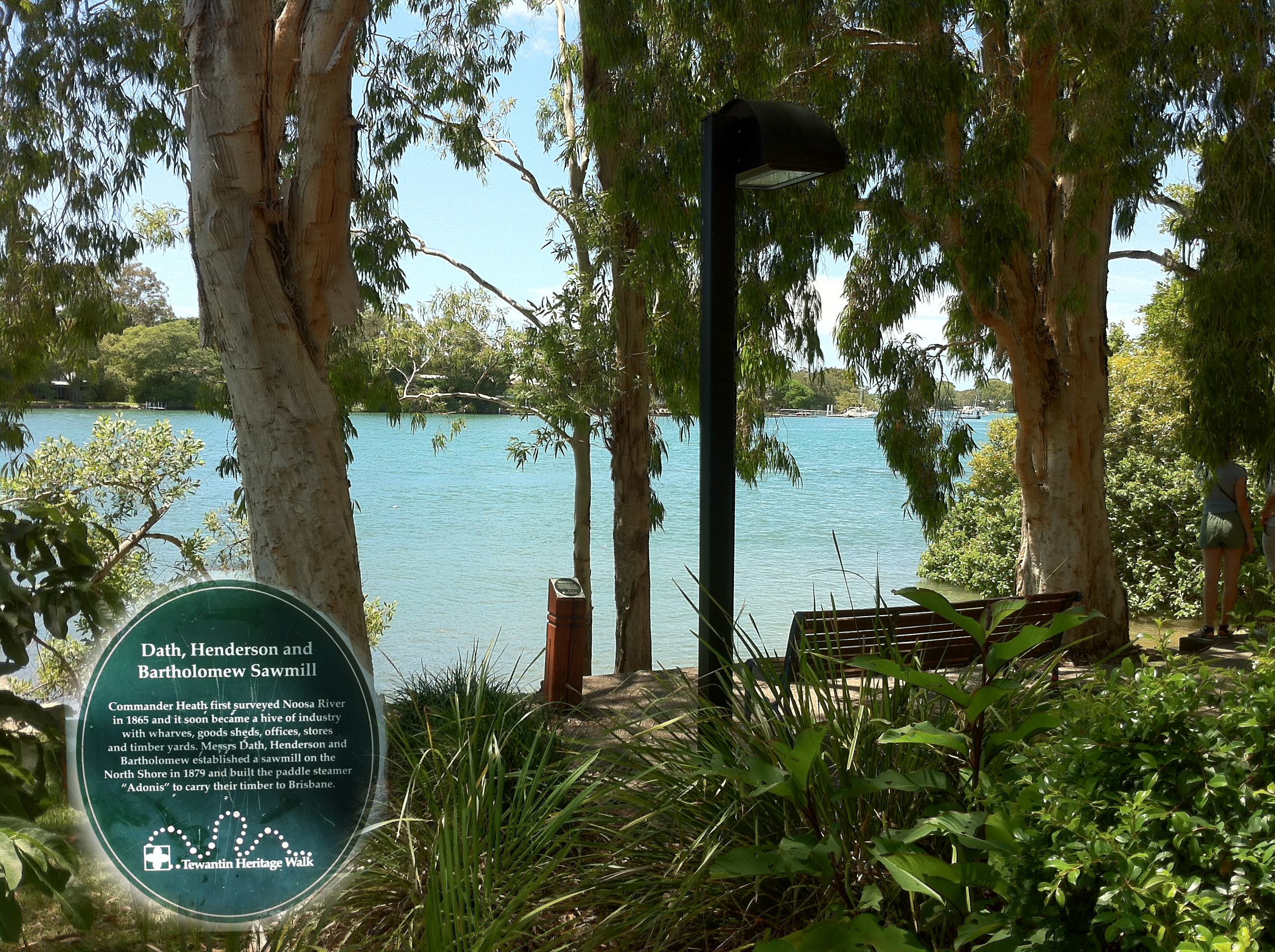
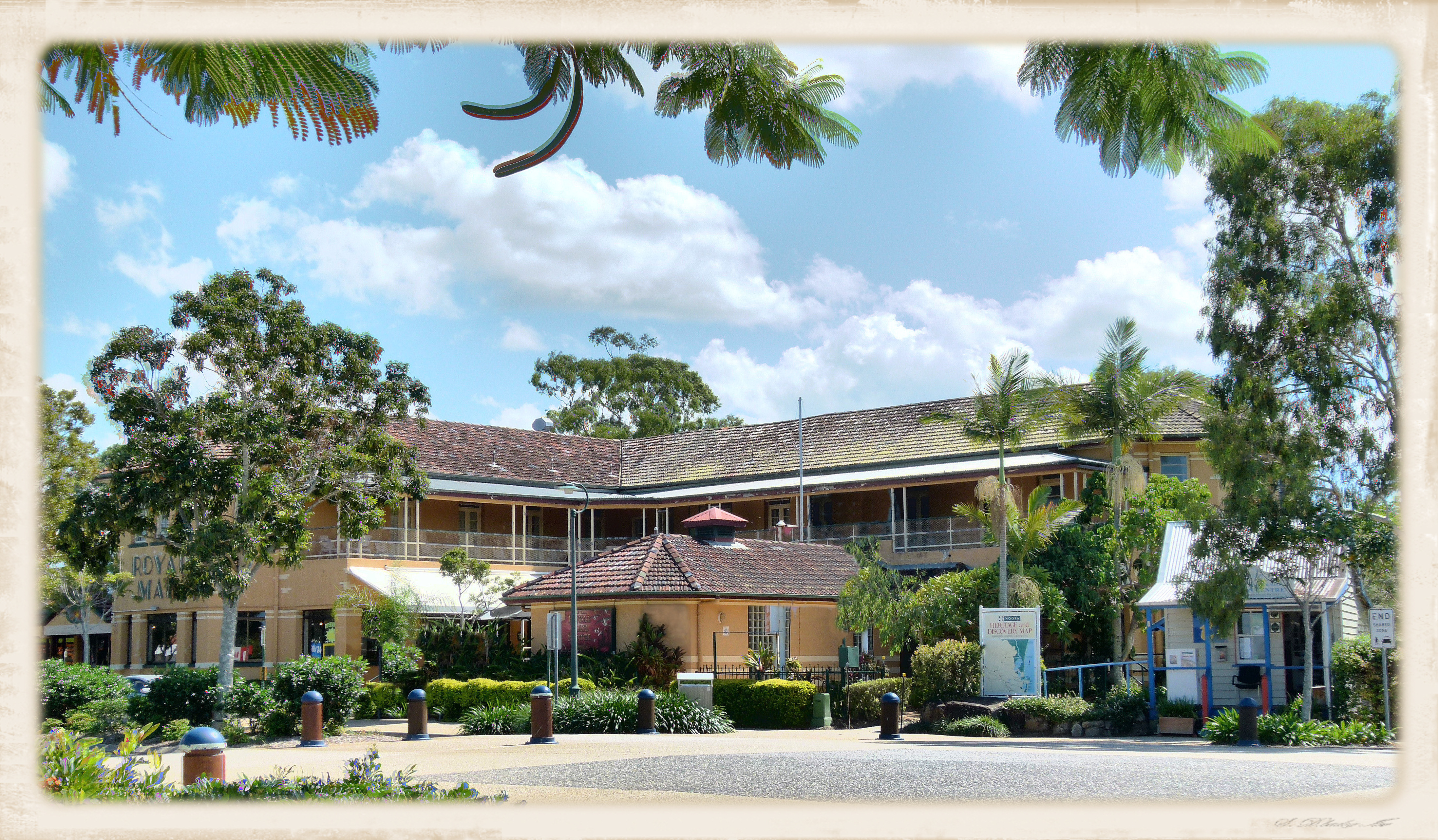
Tewantin grew as a timber port and a gateway to the Gympie goldfields before there was a railway to Brisbane. Reputedly, the timbergetters who worked around the headwaters had their pay sent directly to Tewantin's Royal Mail Hotel where it was usually converted into a bar tab, a cooperative venture between the hotel and the team bosses who could be assured their men wouldn't leave town on their days off.
The fossickers, families and businessmen who came by steamer* from Brisbane and left by coach to Gympie often used the Royal Mail as a staging post; in the process, they established Tewantin and then Noosa as holiday destinations, with Noosa now 'enjoying' an unprecedented tourism boom.
Book references:
A Flight of Dolphins
Part 2: Ruthlessness
Part 3: Insight
The Forgiving Spirit
Part 1: The 'Reverend'
Part 3: Ashley Forsayth
Part 4: The Chapel of the Forgiving Spirit
* The steamship Culgoa, which was wrecked on the river bar in 1891, features briefly in A Flight of Dolphins, set in 1892 - not a mysterious resurrection, just author's license.
See Queensland Places
Go to...
← Previous
Next →
Galleries
Home



 stuartmackenzieauthor.com